Unlock the secrets to identifying genuine leather. Learn how to choose the best leather for watch bands, boots, and bags, comparing calfskin, cowhide, and sheepskin for durability, aesthetics, and longevity.
In the dynamic world of smartwatch accessories, where functionality meets fashion, cowhide watch bands have emerged as a frontrunner, celebrated for their exceptional durability and timeless appearance. At Heibor Tech, as a dedicated OEM/ODM manufacturer, we frequently encounter questions from our discerning customers about leather materials. The nuances between various types of cowhide, their unique characteristics, and suitability for different products are common queries. This article aims to demystify the complex world of leather, sharing practical knowledge to help you make informed decisions when selecting and identifying genuine cowhide. Whether you’re designing bespoke watch straps, rugged boots, or elegant leather goods, understanding these distinctions is key to product excellence.
1. How to identify and choose genuine leather
Distinguishing genuine leather from its numerous imitations is paramount for ensuring quality and longevity in your products, especially for items like genuine leather watch bands. Here’s a comprehensive guide to help you identify the real deal:
Fire test
- Genuine Leather: When subjected to a flame, genuine leather emits a smell similar to burned hair. It will char and crumble into white ash.
- Fake Leather: Counterfeit leather, often made from plastic-based synthetics, will melt, shrivel, and produce a distinctive plastic odor.
Backside inspection
- Genuine Leather: Examine the reverse side. Real leather typically has an unevenly distributed natural pore structure and a fuzzy texture, characteristic of animal fibers.
- Fake Leather: Imitations will often have a uniform fabric backing or a perfectly smooth, synthetic surface, lacking the organic variations of genuine leather.
Touch and fell
- Genuine Leather: Genuine leather feels warm, supple, and soft to the touch. When pressed, it will develop natural wrinkles, much like human skin.
- Fake Leather: Artificial leather often feels cold, rigid, or unnaturally smooth. It might also retain its shape without wrinkling when pressed.
Smell test
- Genuine Leather: It possesses a distinct, natural, and earthy aroma – the unmistakable smell of tanned hide.
- Fake Leather: Materials like PU leather may have a chemical, plastic, or even a faint adhesive smell.
By applying these tests, you can confidently identify and how to choose leather for watch straps and other products that truly embody quality. This is crucial for crafting premium genuine leather watch straps.
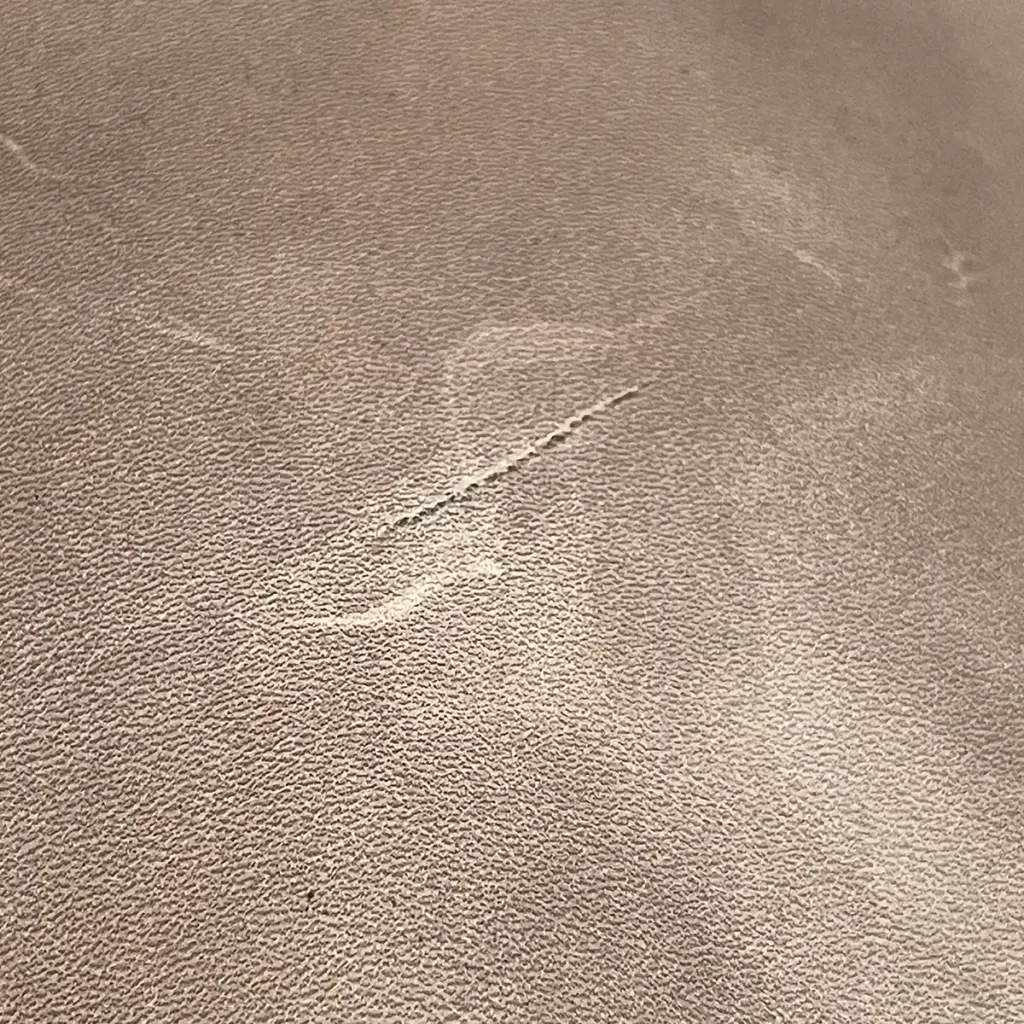
2. Calfskin vs Buffalo leather: differences and applications
When selecting leather for products like watch bands, two popular options often come to mind: calfskin and buffalo leather. Each boasts unique qualities suitable for different applications.
Calfskin
- Source: Sourced from younger cattle, typically less than three years old.
- Characteristics: Renowned for being thinner, softer, and smoother than adult cowhide. It has a fine, tight grain.
- Applications: Due to its luxurious feel and elegant appearance, calfskin is ideal for high-end products such as designer Apple watch bands luxury footwear, and premium bags. Its comfort and sophisticated look make it a top contender for the best leather for smartwatch bands.
Buffalo leather
- Source: Derived from buffalo hides.
- Characteristics: Noticeably thicker, with a much rougher, more pronounced grain. It is exceptionally durable and highly scratch-resistant, softening remarkably in warm conditions.
- Disadvantages: Its inherent thickness and rough texture can make it heavier and less pliable, potentially less suitable for delicate designs or those requiring a sleek profile.
- Applications: Better suited for robust, heavy-duty products like work boots, sturdy bags, and furniture, where extreme durability and a rustic aesthetic are prioritized over softness and thinness.
The choice between calfskin and buffalo leather ultimately depends on balancing the desired softness, flexibility, and overall durability required for the end product. For delicate and premium applications like calfskin watch bands, calfskin often prevails.
3.Sheepskin: an alternative option to cowhide
Sheepskin presents a distinct alternative to cowhide, prized for its unparalleled softness and lightweight nature.
- Characteristics: Extremely soft, with very fine, evenly distributed pores. It offers a smooth, velvety feel, good elasticity, and excellent warmth retention.
- Limitations: While luxurious, sheepskin is less durable than cowhide and more prone to scratching and wear.
- Applications: Generally, it is not considered the best leather for watch bands that require high wear resistance. However, it excels in products where supreme softness, lightweight comfort, and warmth are prioritized, such as linings for gloves, jackets, and delicate accessories.
4.Choosing leather for different products
The strategic selection of leather is crucial, directly impacting a product’s performance, aesthetic appeal, and longevity. Different applications demand specific leather characteristics.
Leather watch bands
- Top Choices: Calfskin and shell cordovan stand out. Calfskin is prized for its fine grain, softness, and comfort, making it perfect for everyday wear and high-end timepieces, including genuine leather watch bands.
- Shell Cordovan: While not a cowhide, it’s worth mentioning for its exceptional durability, unique smooth finish, and beautiful aging properties.
- Smartwatch Bands: Calfskin is frequently preferred for best leather for smartwatch bands due to its comfortable fit, premium appearance, and ability to support custom molding for intricate designs.
Leather boots
- Rugged Demands: Buffalo leather or robust cowhide are highly suitable.
- Buffalo Leather: Offers extreme durability and scratch resistance, ideal for work boots and outdoor footwear that needs to withstand harsh conditions.
- Cowhide: Provides a versatile balance of durability, formability, and water resistance, making it excellent for a wide range of boot styles.
Other products(bags,accessories)
- Mixed Cowhide: Offers versatility for structuring bags or crafting resilient wallets. Its varied textures can add character.
- Sheepskin: Preferred for linings or delicate items where a soft touch and lightweight feel are paramount.
Making the right choice ensures that the leather product not only looks good but also performs optimally and endures over time. This mindful approach elevates the quality of any product, from cowhide leather for watch bands to robust bags.
5.Leather processing methods
The transformation of raw animal hide into finished leather is a complex process, involving several stages that enhance its properties and prepare it for various uses. Understanding these methods is key to appreciating the quality of items like genuine leather watch bands.
Preparation stage(beamhouse process)
- This initial phase involves cleaning, preserving, soaking, fleshing (removing flesh and fat), and liming (removing hair and epidermis). The goal is to prepare the hide for tanning.
Tanning
Tanning is the crucial step that prevents putrefaction and improves the hide’s physical and chemical properties, making it durable and flexible.
- Vegetable Tanning: This traditional, eco-friendly method uses natural tannins from tree bark and other plant materials. It results in firm, robust leather suitable for premium goods, specific types of genuine leather watch straps, and tooling leather.
- Chrome Tanning: A faster and more common industrial process utilizing chromium salts. It produces softer, more flexible, and more water-resistant leather, widely used for commercial products, including most cowhide leather for watch bands.

Retanning
- After initial tanning, hides undergo retanning to adjust properties like softness, firmness, fullness, and elasticity, ensuring it meets specific product requirements, vital for supple calfskin watch bands.
Dyeing and embossing
- Dyes are applied to achieve desired colors, while embossing can cover natural scars or imperfections with various patterns, common for many genuine leather watch bands.
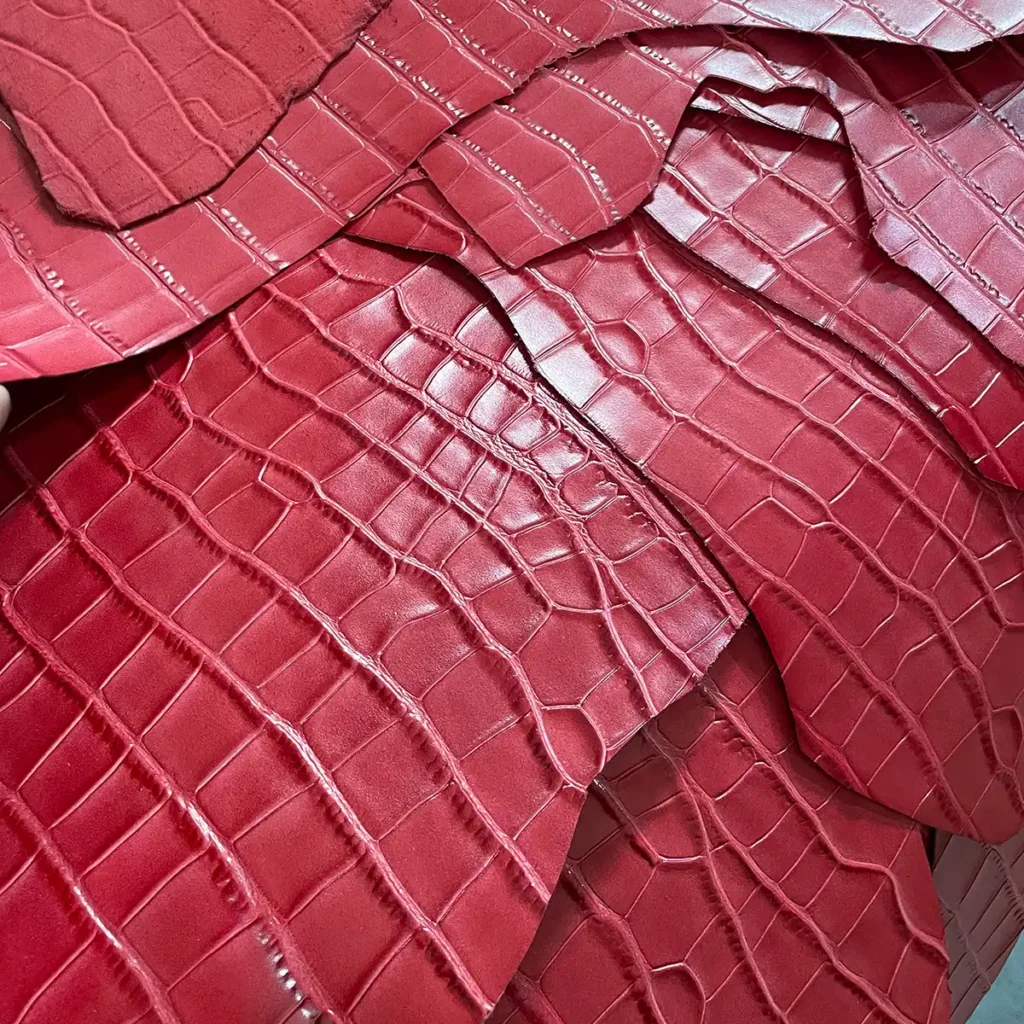
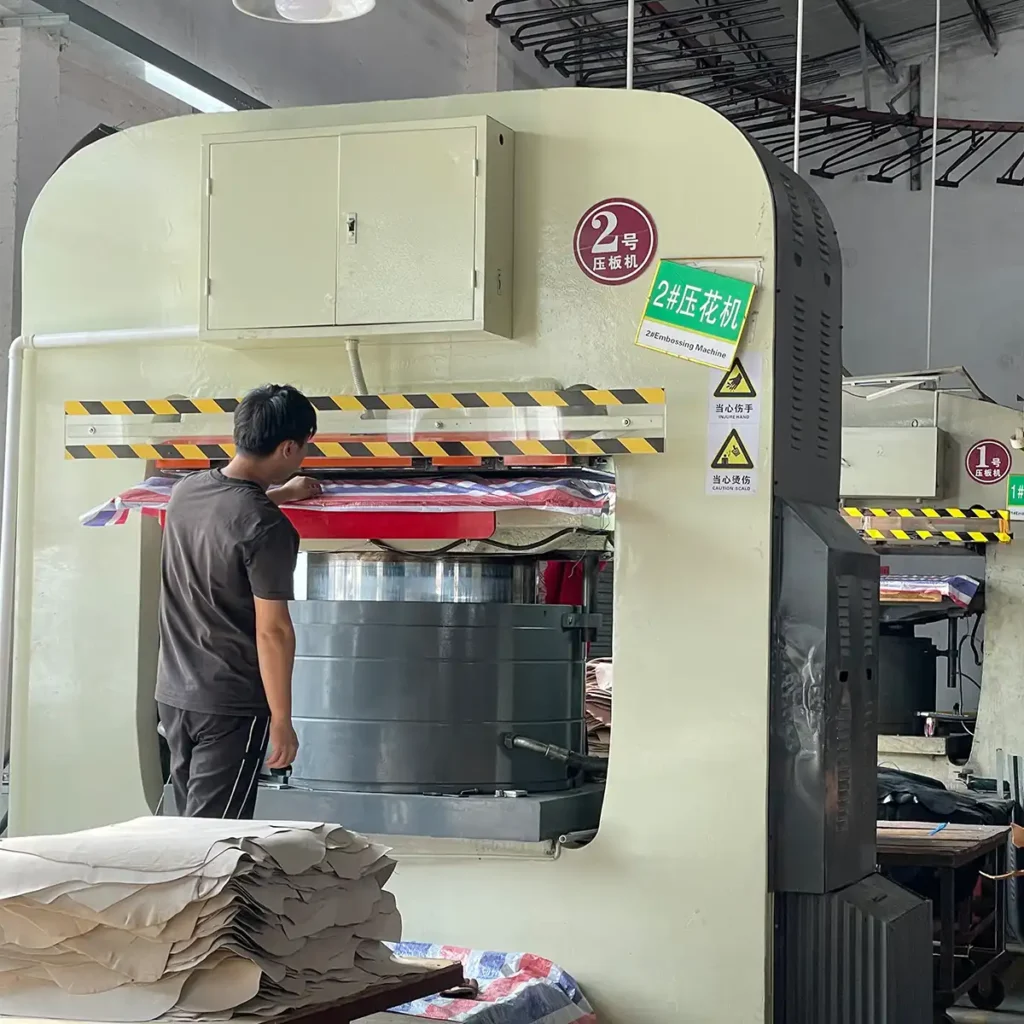
Finishing
- The final stage enhances the leather’s appearance, feel, and protection through processes like coating, polishing, printing, and lamination, directly impacting the aesthetic and longevity of any genuine leather watch band.
Understanding these processing methods provides insight into the diverse characteristics of finished leather and helps in appreciating the craftsmanship behind quality leather products.
Conclusion
In the intricate world of leather goods, knowledge is power. For both discerning buyers and innovative designers, a deep understanding of leather types, identification methods, and processing techniques empowers superior decision-making. Choosing the best leather for watch bands, boots, or any other product is not merely an aesthetic choice, but a strategic one—balancing functionality, durability, and a timeless appeal.
At Heibor Tech, we pride ourselves on combining traditional craftsmanship with cutting-edge innovation to deliver exceptional leather solutions. Whether you are a B2B customer seeking customized smartwatch band solutions or developing new leather products, our expertise is at your service. We invite you to explore our offerings and experience the Heibor Tech difference.
Visit Heibor Tech for customized smartwatch band solutions or contact us for free samples and quotations!

Jason Yu
Co-founder at Heibor Technology. 20 years international trade; Mechanical Engineer & Industrial Designer. Passionate about precision manufacturing (metal, CNC, plastics) and smart wearables. We turn visions into reality with Masimo/BOSCH-backed expertise, professionalism, and trust.
-1.png)